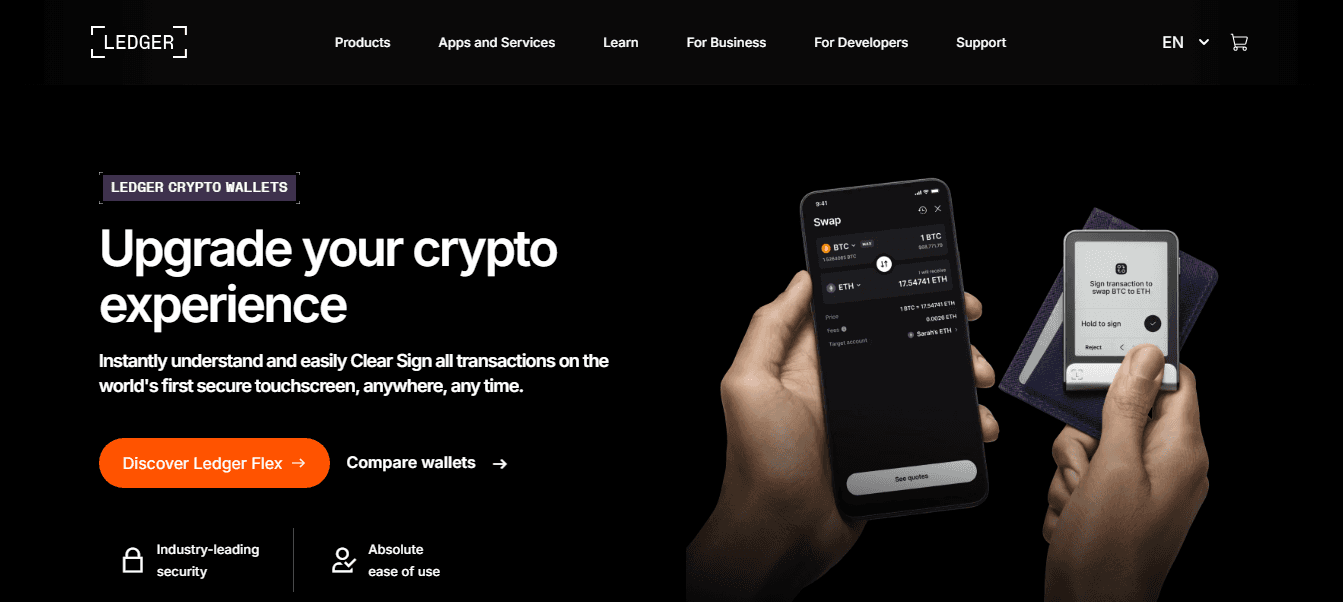
Ledger Login: An In-Depth Guide to Secure Cryptocurrency Access
Introduction
As digital currencies continue to gain mainstream adoption, the importance of secure access to crypto assets has never been greater. Millions of users worldwide now manage Bitcoin, Ethereum, NFTs, and other blockchain-based assets, making them attractive targets for cybercriminals. Password leaks, phishing scams, malware, and exchange hacks have led to billions of dollars in losses over the years.
To counter these risks, hardware-based authentication has emerged as one of the safest solutions. Ledger Login represents a secure and reliable way to access cryptocurrency accounts while maintaining full control over private keys. Instead of trusting third-party platforms or vulnerable software wallets, Ledger Login ensures that users remain the sole custodians of their assets.
This comprehensive guide explores Ledger Login from every angle—how it works, why it matters, how to use it effectively, and how it compares to other login methods. Whether you are a beginner or an experienced crypto investor, understanding Ledger Login is essential for long-term digital asset security.
Understanding Ledger Login
Ledger Login is a hardware-based authentication process that allows users to securely access their cryptocurrency accounts using a Ledger hardware wallet. Unlike traditional logins that rely on usernames, passwords, or email verification, Ledger Login requires physical confirmation on a trusted device.
When a user initiates a login or transaction, the Ledger device must be connected and unlocked with a PIN code. The device then verifies and signs the request internally, ensuring that private keys never leave the secure hardware environment.
This approach removes many of the vulnerabilities associated with online authentication systems and centralized platforms.
Why Ledger Login Is Critical in Modern Crypto Security
The decentralized nature of cryptocurrencies places responsibility directly on the user. While this offers freedom and ownership, it also means there is no central authority to recover lost funds or reverse fraudulent transactions.
Ledger Login is critical because it:
Protects private keys from online exposure
Prevents unauthorized access even if a computer is compromised
Eliminates reliance on third-party custodians
Adds a physical layer of security
By combining cryptography with hardware protection, Ledger Login significantly reduces the risk of digital asset theft.
How Ledger Login Works
Ledger Login operates through a combination of secure hardware, encrypted communication, and user verification.
Hardware Wallet Connection
To begin the login process, the user connects their Ledger device to a computer or smartphone using USB or Bluetooth. The device remains locked until the correct PIN is entered.
Secure Key Storage
Private keys are stored inside a certified Secure Element chip. These keys are never exposed to the internet, operating system, or connected applications.
On-Device Verification
When a login or transaction request is initiated, the details are displayed on the Ledger screen. The user must manually confirm the action using the device buttons.
Cryptographic Signing
Once confirmed, the Ledger device signs the request internally and sends only the signed output back to the application, keeping private keys fully protected.
Ledger Login and Ledger Live
Ledger Live is the official software interface that enables Ledger Login. It acts as a dashboard for managing crypto assets while relying on the Ledger device for authentication.
With Ledger Live, users can:
Log in securely using Ledger Login
Monitor account balances in real time
Send and receive cryptocurrencies
Stake supported assets
Install and manage blockchain apps
Connect to third-party wallets and services
Ledger Live never stores private keys, ensuring that all sensitive operations require Ledger Login authorization.
Supported Cryptocurrencies and Ecosystems
Ledger Login supports thousands of cryptocurrencies and tokens across multiple blockchains. These include:
Bitcoin (BTC)
Ethereum (ETH)
Solana (SOL)
Cardano (ADA)
Polygon (MATIC)
ERC-20 and BEP-20 tokens
Beyond basic asset storage, Ledger Login enables secure access to:
DeFi platforms
NFT marketplaces
Web3 applications
DAO governance systems
This broad compatibility makes Ledger Login a versatile solution for the modern crypto ecosystem.
Step-by-Step Guide to Setting Up Ledger Login
Step 1: Initialize Your Ledger Device
When powered on for the first time, users choose whether to create a new wallet or restore an existing one using a recovery phrase.
Step 2: Create a Secure PIN Code
The PIN code is required to unlock the device. Multiple incorrect attempts will reset the device, protecting against unauthorized access.
Step 3: Write Down the Recovery Phrase
The recovery phrase (usually 24 words) is the only way to recover funds if the device is lost or damaged. It must be stored offline in a secure location.
Step 4: Install Ledger Live
Ledger Live is installed on a desktop or mobile device and connected to the Ledger hardware wallet.
Step 5: Enable Ledger Login
Once connected, Ledger Login becomes the default authentication method for supported actions and applications.
Ledger Login for DeFi and Web3 Applications
One of the most powerful uses of Ledger Login is secure access to decentralized finance and Web3 platforms. By integrating Ledger with wallets such as MetaMask or WalletConnect, users can interact with blockchain applications safely.
Ledger Login allows users to:
Approve smart contracts securely
Trade on decentralized exchanges
Lend and borrow crypto assets
Mint, buy, and sell NFTs
Participate in DAO voting
Every action must be verified on the Ledger device, ensuring full transparency and control.
Security Features That Set Ledger Login Apart
Ledger Login incorporates multiple layers of protection.
Physical Authentication
No action can be completed without physical confirmation on the Ledger device.
PIN and Lockout Mechanism
The device automatically resets after multiple incorrect PIN attempts, preventing brute-force attacks.
Recovery Phrase Protection
Funds can be restored on a new device using the recovery phrase, ensuring resilience against loss or damage.
Firmware Integrity Checks
Ledger devices verify firmware authenticity, reducing the risk of tampering or malicious updates.
Ledger Login vs Software Wallet Logins
Software wallets store private keys on internet-connected devices, making them more vulnerable to attacks.
Ledger Login offers clear advantages:
Offline private key storage
Higher resistance to phishing and malware
No dependency on passwords or emails
Strong protection against remote attacks
For users holding significant value, Ledger Login provides a superior security model.
Common Ledger Login Issues and Troubleshooting
Ledger Device Not Detected
This can usually be resolved by changing cables, updating Ledger Live, or restarting the device.
Bluetooth Connectivity Problems
Ensure Bluetooth permissions are enabled and the device firmware is up to date.
Application Compatibility Issues
Updating browser extensions and clearing cache often resolves login problems with dApps.
Best Practices for Using Ledger Login Safely
To maximize security, users should follow these best practices:
Never share your recovery phrase
Avoid entering recovery words on websites
Verify transaction details on the Ledger screen
Keep Ledger Live and firmware updated
Purchase Ledger devices from official sources only
These practices help ensure long-term asset protection.
Advantages and Limitations of Ledger Login
Advantages
Industry-leading security
Full ownership and custody
Broad asset and platform support
Protection against online threats
Limitations
Requires physical access to the device
Less convenient for rapid trading
Initial setup may be complex for beginners
Despite these limitations, Ledger Login remains one of the most secure options available.
The Future of Ledger Login
As blockchain adoption grows, Ledger Login is expected to evolve with enhanced mobile support, improved user interfaces, and deeper Web3 integration. Innovations in biometric verification and multi-device authentication may further strengthen its security framework.
Ledger’s ongoing commitment to security and transparency positions Ledger Login as a cornerstone of future crypto access solutions.
Conclusion
Ledger Login is more than just a login method—it is a comprehensive security system designed to protect digital assets in an increasingly hostile online environment. By combining hardware-based authentication, cryptographic integrity, and user-controlled access, Ledger Login empowers individuals to manage their cryptocurrencies with confidence.
For anyone serious about crypto security, Ledger Login offers a trusted and future-proof solution for safe digital asset management.